RYET 3D Printed Carbon Bike Saddle Review: Lightweight Comfort
Problem & Solution
Traditional cycling saddles rely on uniform foam padding that can compress completely during long rides, creating uncomfortable pressure hot spots and severe soft-tissue numbness. For road, gravel, and mountain bike riders spend hours in the saddle, inadequate airflow and improper pressure distribution frequently disrupt endurance performance.
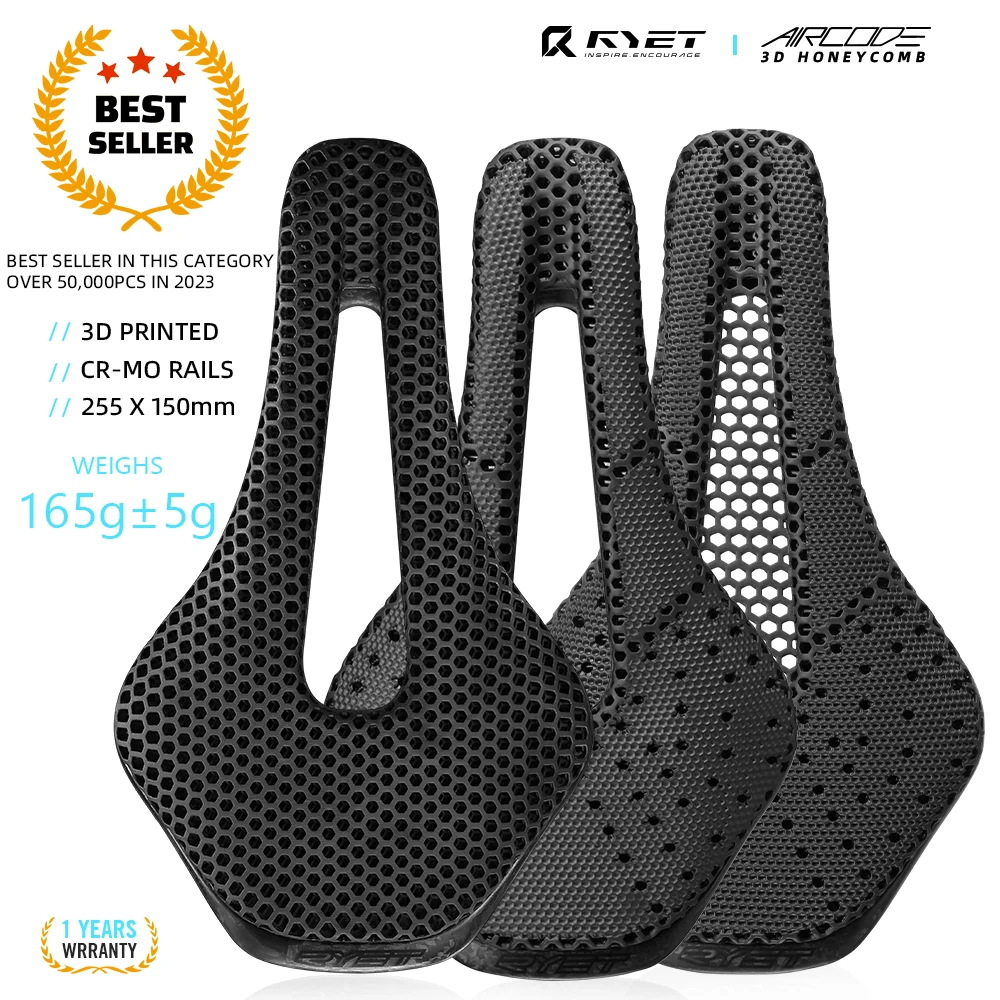
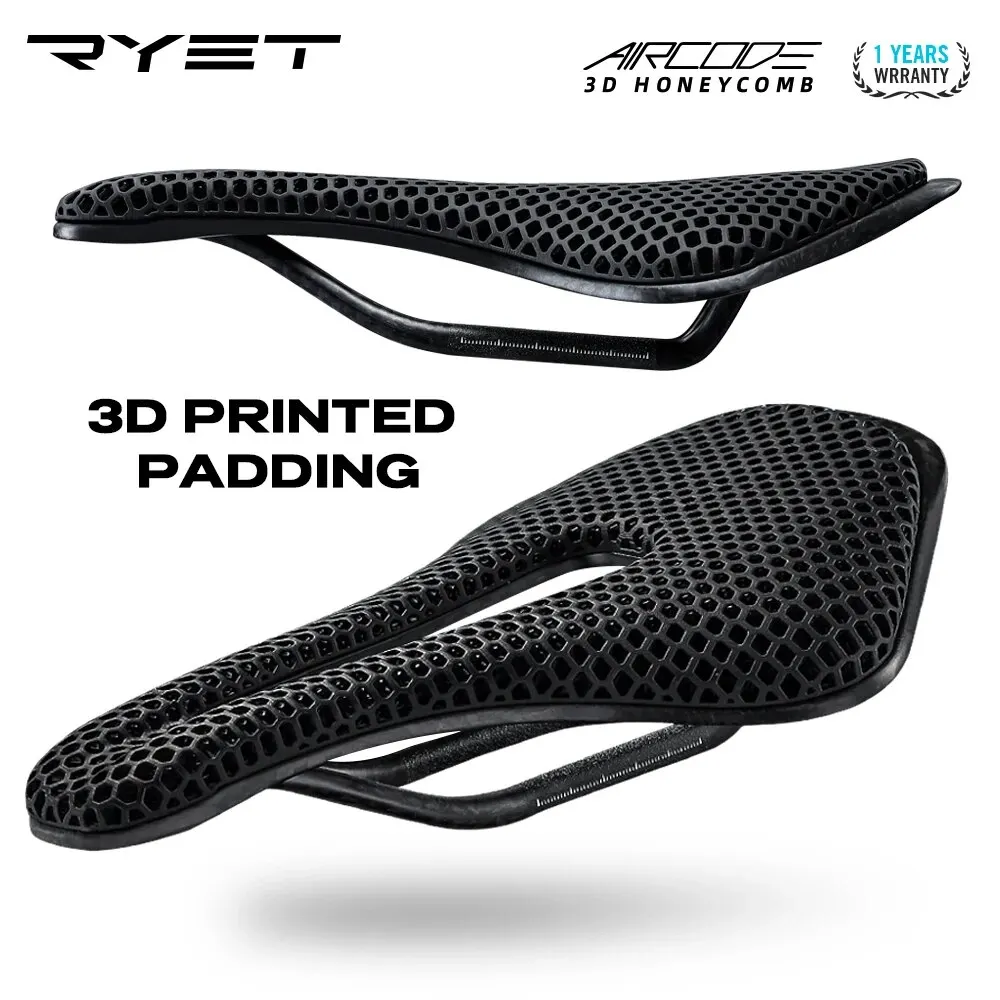
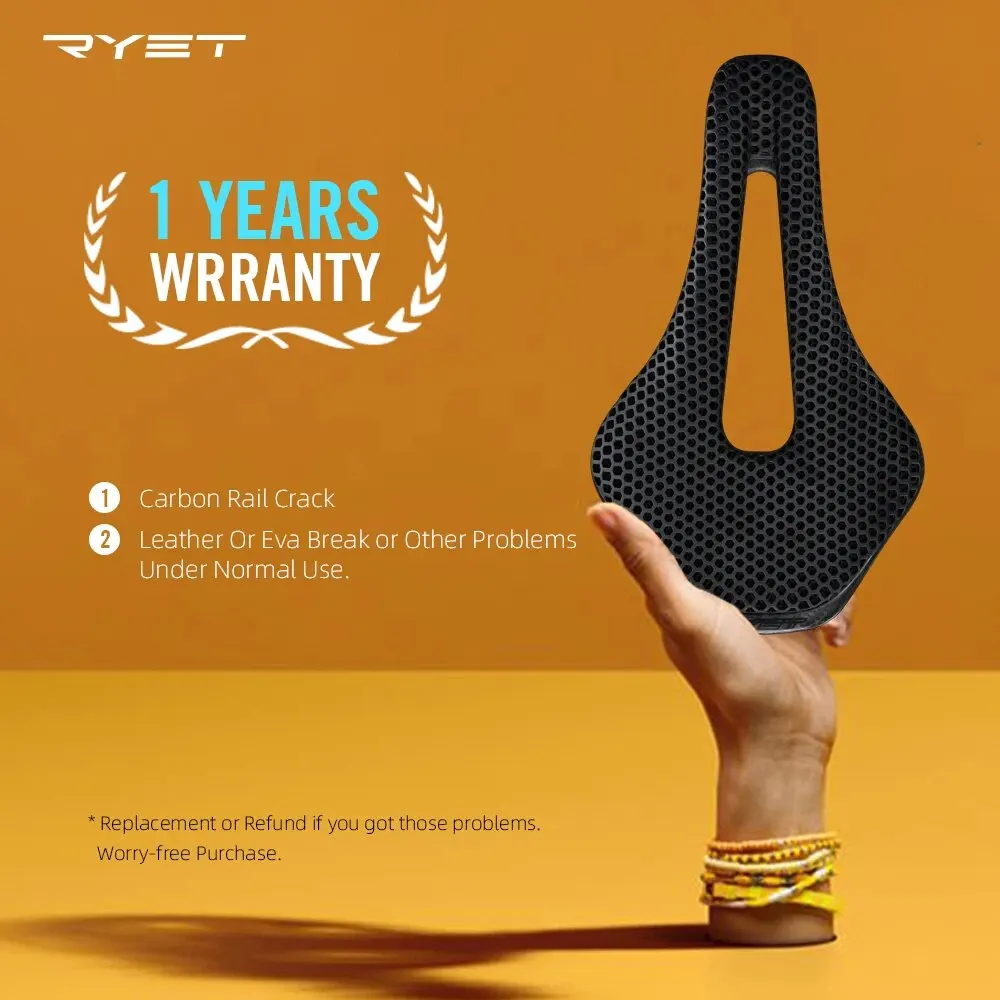
The RYET 3D Printed Carbon Saddle addresses these issues by incorporating an open lattice upper matrix combined with a central hollow cutout. This engineered structure provides progressive, zoned support to absorb road chatter while allowing continuous air circulation underneath, minimizing perineal pressure and heat buildup.
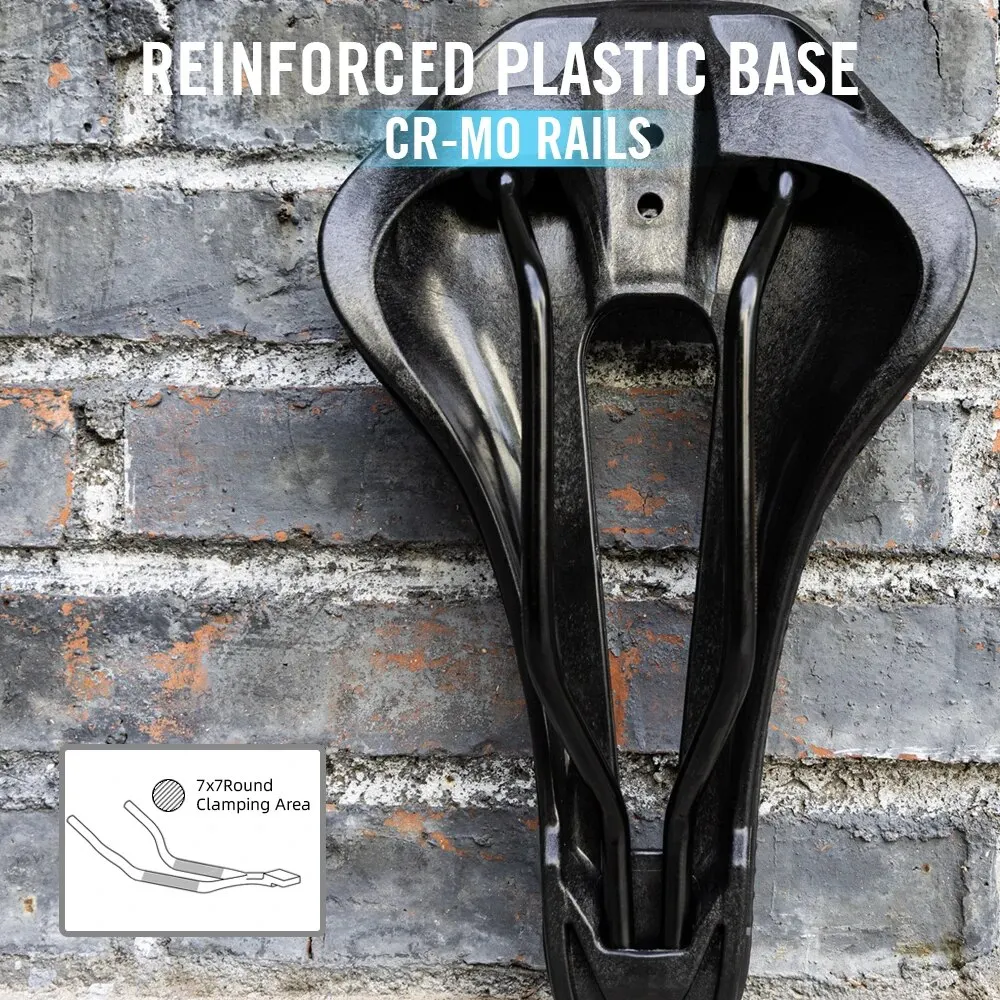
Furthermore, heavy steel or aluminum rails add unnecessary weight to a bike setup. By utilizing a carbon fiber foundation and rail system, this saddle delivers structural stiffness and vibration reduction while keeping weight to a minimum for performance-oriented cyclists.
Who Is It For?
This saddle is designed for road cyclists, gravel riders, and cross-country MTB enthusiasts seeking an ergonomic upgrade focused on ventilation, pressure relief, and weight reduction. It is especially suitable for riders who experience numbness on conventional flat foam saddles during extended training or racing sessions.
It is also an attractive candidate for weight-conscious bike builders interested in modern additive-manufacturing saddle tech. Prospective buyers should verify that their existing seatpost clamp supports oval carbon rails before mounting.
Key Features
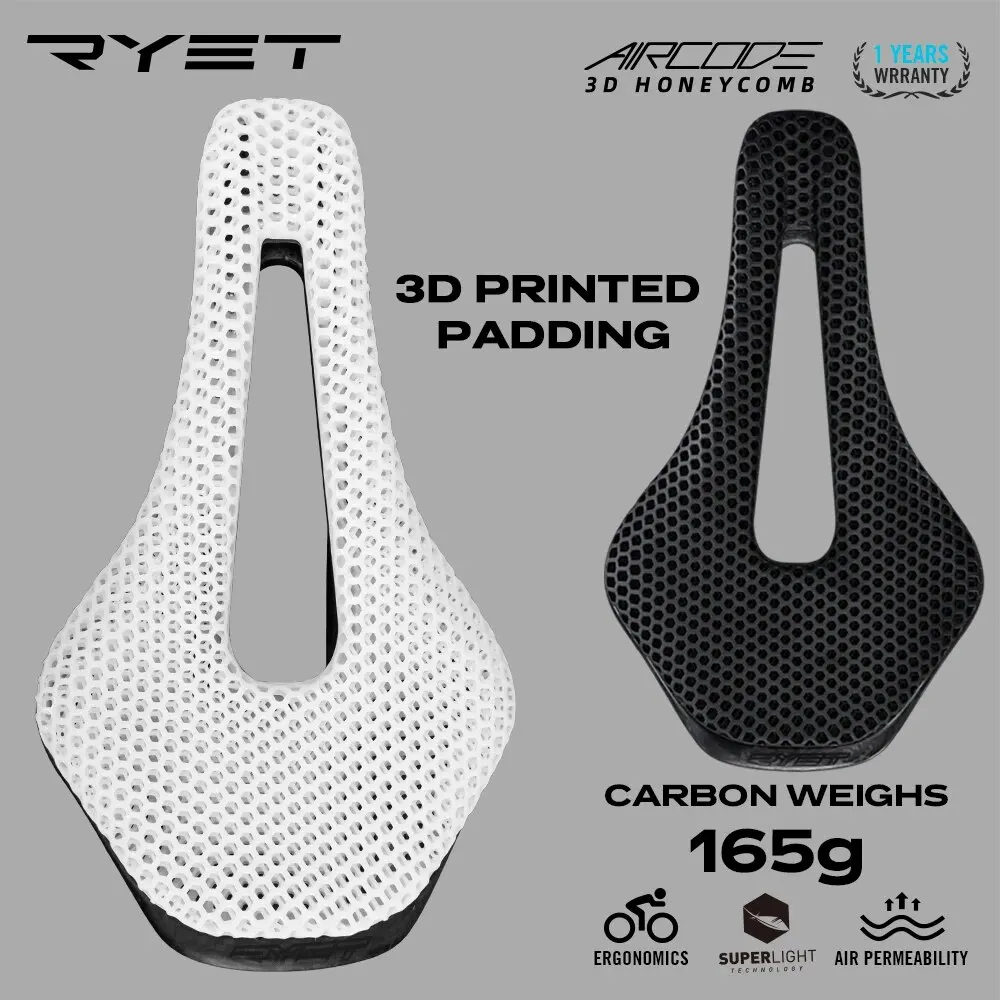
- 3D Printed Matrix UpperProvides zoned damping and flexible support across key contact points to alleviate sit-bone pressure.
- Full Hollow Central CutoutReduces direct pressure on perineal soft tissue to prevent numbness over long distances.
- Carbon Fiber Base & RailsDelivers lightweight stiffness for efficient power transfer while absorbing high-frequency road vibrations.
- Open Lattice Mesh DesignEnables continuous airflow beneath the rider to minimize heat accumulation and moisture buildup.
- Multi-Discipline ProfileVersatile geometry suited for road cycling, gravel grinding, and mountain bike setups.
Technical Specifications
| Upper Material | 3D Printed Matrix Structure |
| Base & Rail Material | Carbon Fiber |
| Pressure Relief | Full Hollow Central Cutout |
| Intended Discipline | Road, Gravel, MTB |
| Ventilation System | Open Honeycomb Lattice |
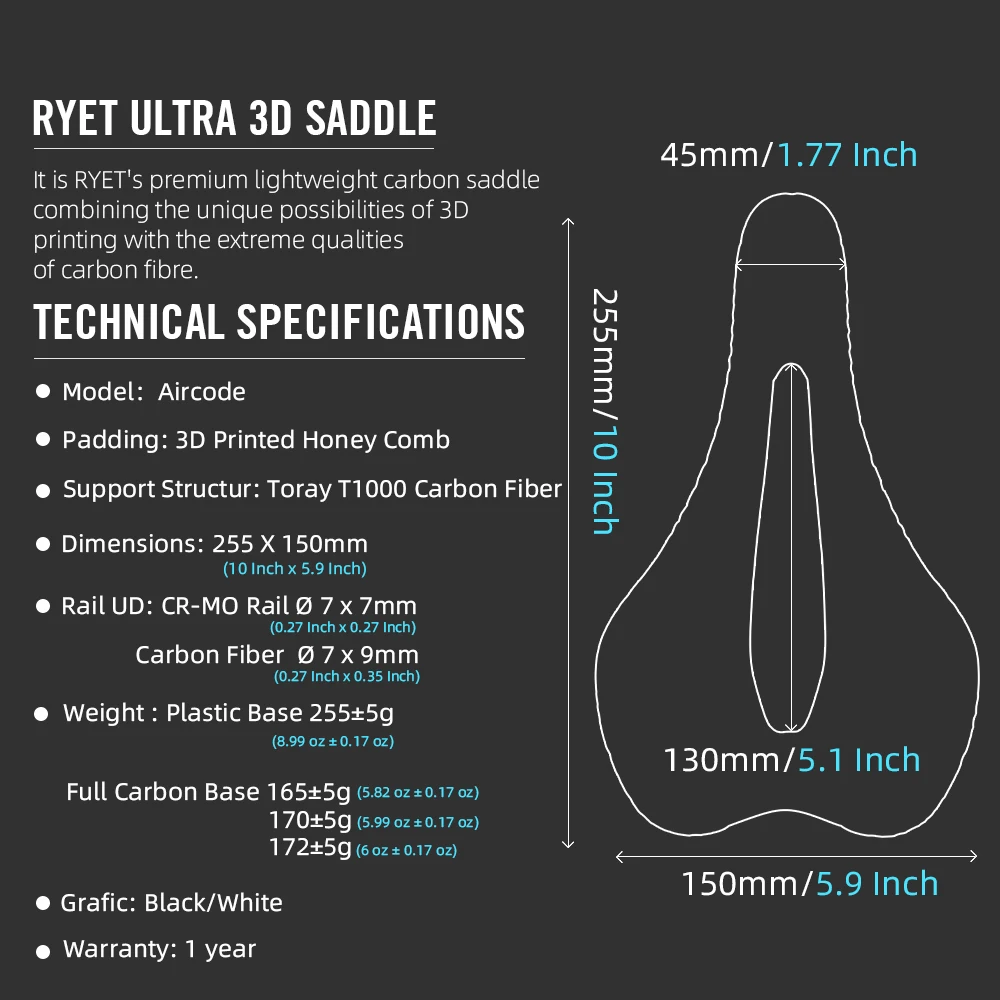
| Saddle Width/Dimensions | Not specified in available data |
| Exact Weight | Not specified in available data |
Pros & Cons
Pros
- Advanced 3D-printed matrix offers differential pressure distribution superior to standard static foam
- Carbon fiber construction provides an ultralight structural base
- Central hollow channel effectively promotes airflow and soft-tissue relief
- Multi-surface design works across road, gravel, and trail riding
Cons
- Carbon rails require careful torque application and a compatible seatpost clamp
- Open mesh structure can trap mud and trail debris during off-road wet riding
- Exact dimensions and sit-bone width are not detailed in baseline data and must be verified prior to purchase
FAQ
Saddles with carbon rails typically feature oval rail dimensions (often 7x9mm). You should verify that your seatpost clamp is designed for oval carbon rails rather than standard 7x7mm round metal rails.
Yes, the flexible lattice matrix helps damp off-road surface chatter. However, riders who frequently tackle wet, muddy trails should note that dirt can get into the open mesh structure, requiring periodic rinsing.
Unlike uniform polyurethane foam which can bottom out under body weight over time, 3D printed lattices use engineered nodes of varying density to provide tailored support and spring-back action without packing down.
Exact numerical dimensions and weight figures are not specified in the available product data. Check the seller's detailed sizing chart to confirm width options for your sit bones before ordering.
Final Verdict
Recommended for road, gravel, and XC mountain bikers looking for targeted pressure relief and carbon weight savings. Skip if your seatpost clamp only accepts round 7x7mm metal rails or if you frequently ride in heavy mud without quick access to a cleaning hose. Primary reason to buy is the 3D-printed zoned cushioning and stiff carbon base; primary reason to hesitate is verifying exact rail clamp compatibility and anatomical fit.