Problem & Solution
During printed circuit board (PCB) repair, component replacement, or BGA chip rework, removing excess solder and clearing solder bridges is critical to prevent short circuits. Standard mechanical tin pumps often struggle on fine surface-mount device (SMD) pads due to limited clearance and risk of physical impact damage.
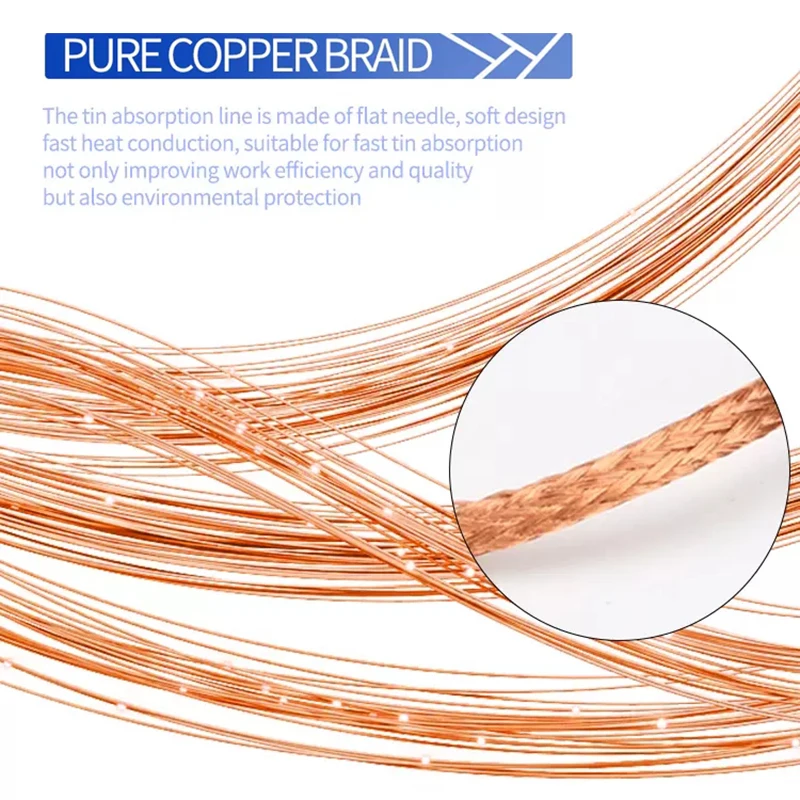
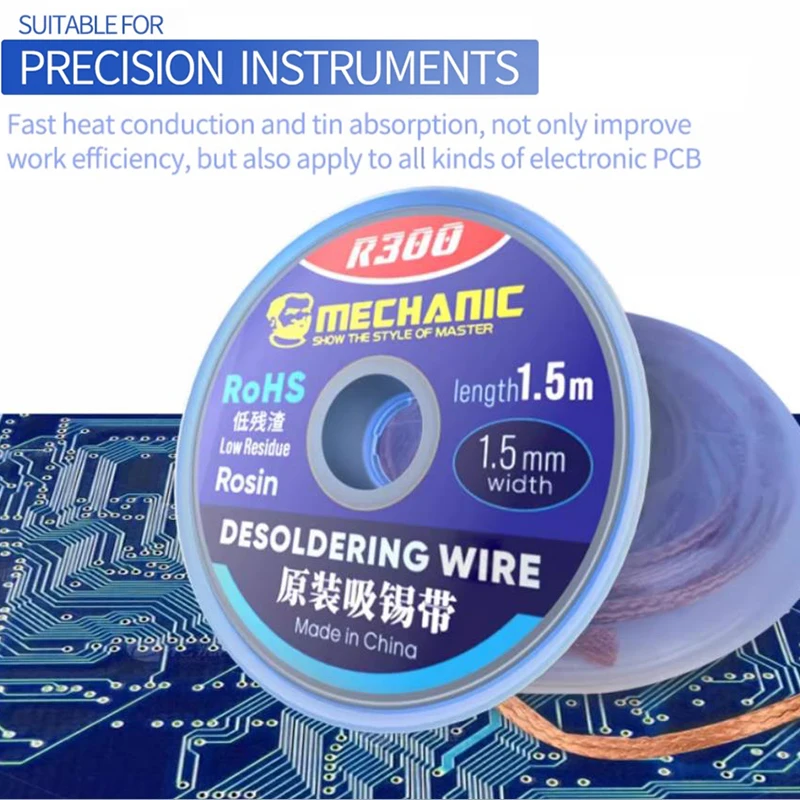
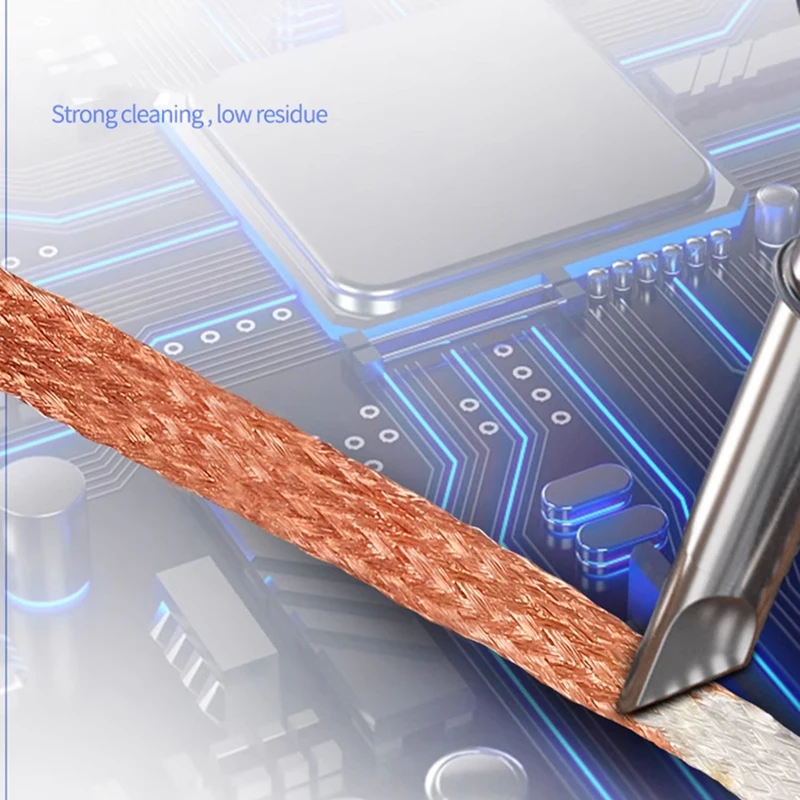
The MECHANIC R300 desoldering braid solves this by utilizing woven fine copper wire that draws molten tin away from pads and pins via capillary action. This allows technicians to clean pads flat without applying heavy mechanical force to delicate circuit board traces.
Who Is It For?
This product is designed for micro-soldering technicians, electronics repair engineers, cell phone/laptop board technicians, and electronics hobbyists who regularly perform surface-mount (SMD) or surface-grid (BGA) soldering rework.
Key Features
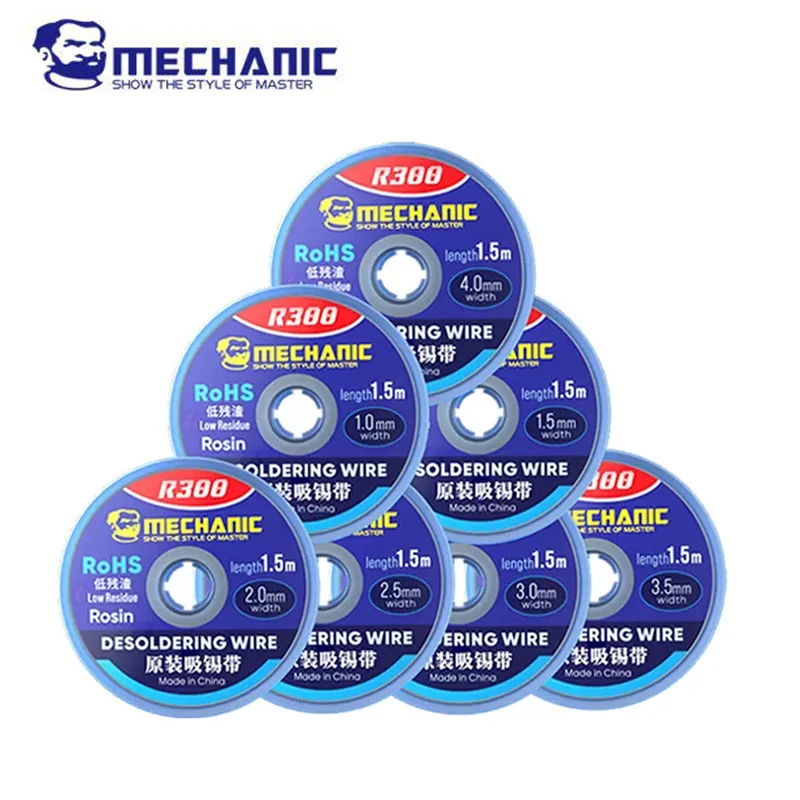
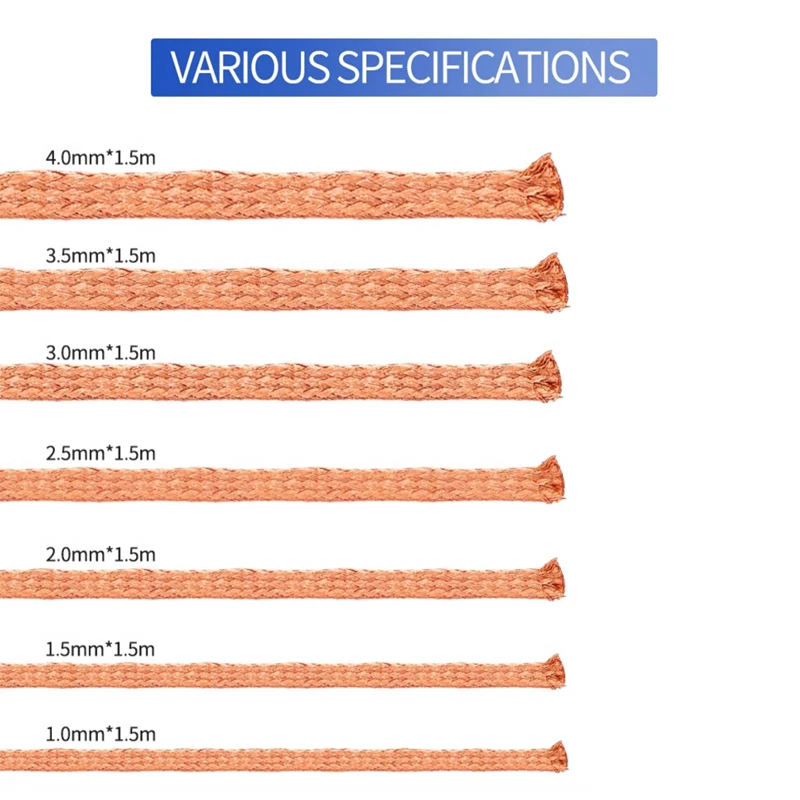
- Multiple Width Options (1.0mm to 4.0mm)Allows precise matching to different pad dimensions, from micro-SMD pins to heavy ground planes
- Fine Copper Braid ConstructionFacilitates heat transfer and rapid capillary action to pull molten solder off pads efficiently
- MECHANIC R300 Series SpecificationFormulated specifically for precision electronics repair, BGA reballing, and PCB rework
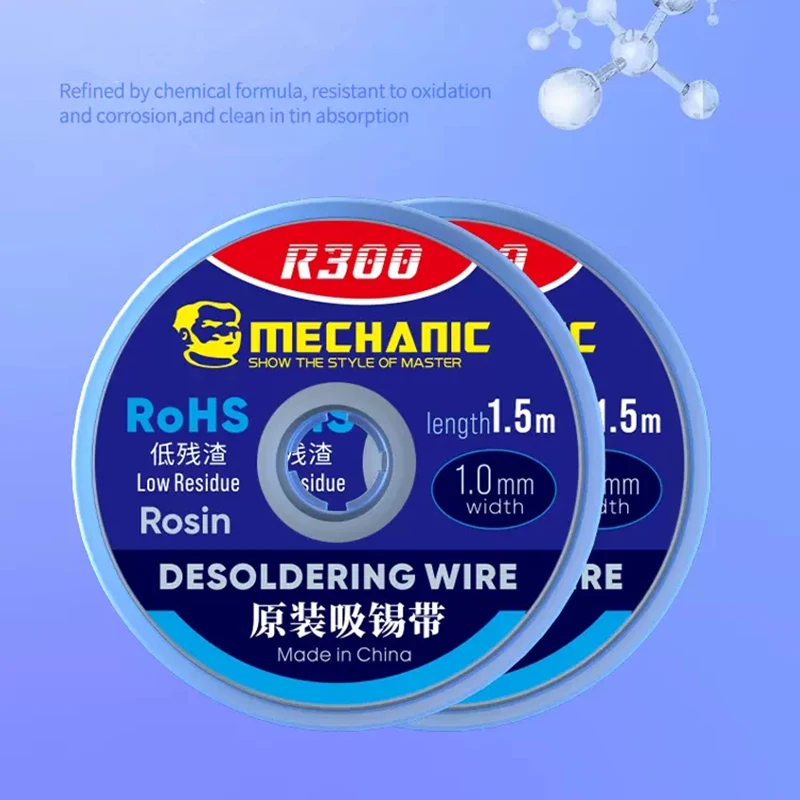
- Protective Spool HousingKeeps unused braid neat, untangled, and protected from environmental contaminants during storage
Technical Specifications
| Brand | MECHANIC |
| Model | R300 |
| Product Category | Desoldering Braid / Solder Wick |
| Available Width Options | 1.0mm, 1.5mm, 2.0mm, 2.5mm, 3.0mm, 3.5mm, 4.0mm |
| Material | Copper Wire Braid |
| Primary Application | PCB Rework, BGA Desoldering, Tin Removal |
| Spool Length | not specified in available data |
Pros & Cons
Pros
- Broad selection of widths (1.0, 1.5, 2.0, 2.5, 3.0, 3.5, 4.0mm) caters to micro-soldering and heavy power pads alike
- Non-abrasive wick method protects delicate copper pads from mechanical stress compared to rigid pump nozzles
- Essential tool for cleaning remaining solder off BGA IC chips and motherboards
Cons
- Total spool length is not specified in the main product data and should be verified prior to purchase
- Requires proper iron tip temperature and technique; underlying flux may evaporate quickly if overheated
FAQ
Choose 1.0mm to 2.0mm for fine-pitch smartphone SMD pads and tight IC pins. Select 2.5mm to 4.0mm for larger connectors, through-hole components, or solid ground plane pads.
The total length per spool is not specified in the primary title data. Check the seller's specific variant details for precise spool length before placing an order.
While many copper wicks contain a light flux coating, applying a small amount of additional liquid or gel rosin flux to stubborn or oxidized solder pads usually speeds up absorption.
Final Verdict
The MECHANIC R300 is a versatile, high-utility desoldering wick well-suited for electronics technicians and board repair specialists. With 7 available widths, it accommodates everything from micro-soldering to heavy ground joint cleanup. Always double-check spool length options with the seller before finalizing your order.