Problem & Solution
Streaming content, photos, or mobile presentations from a phone or tablet to a large display often suffers from Wi-Fi instability, buffering, or complex setup procedures required by wireless casting dongles. Wireless screen mirroring can lag during action scenes or lag behind audio when Wi-Fi networks are congested.
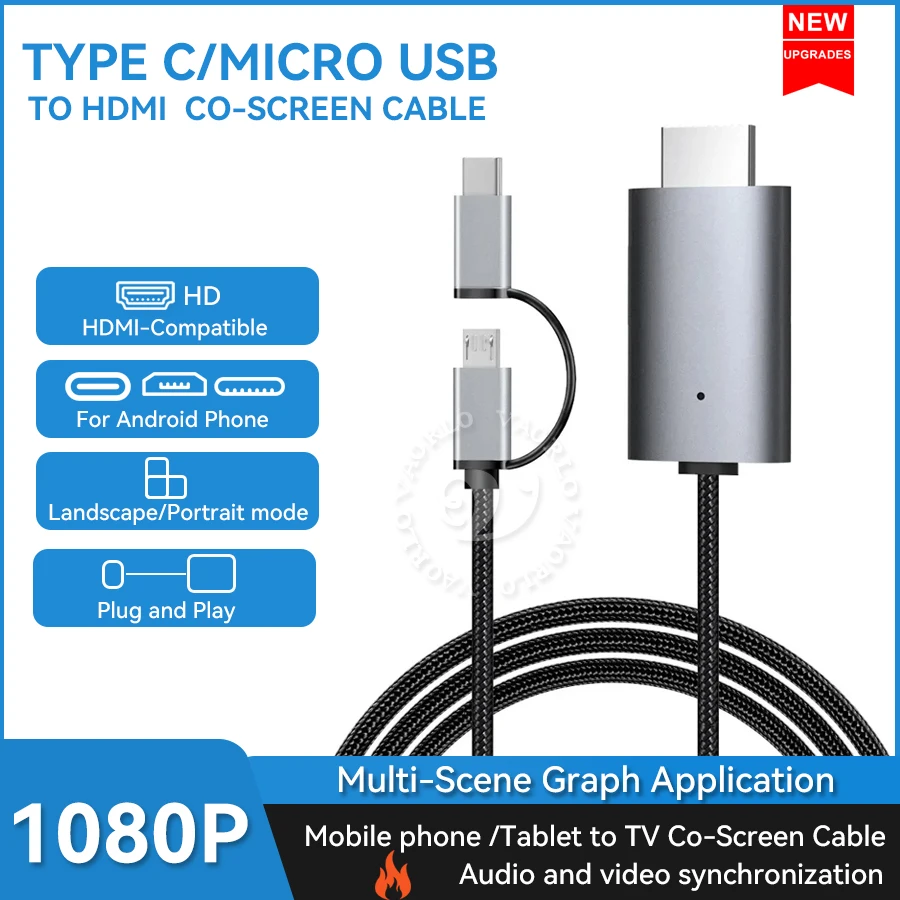
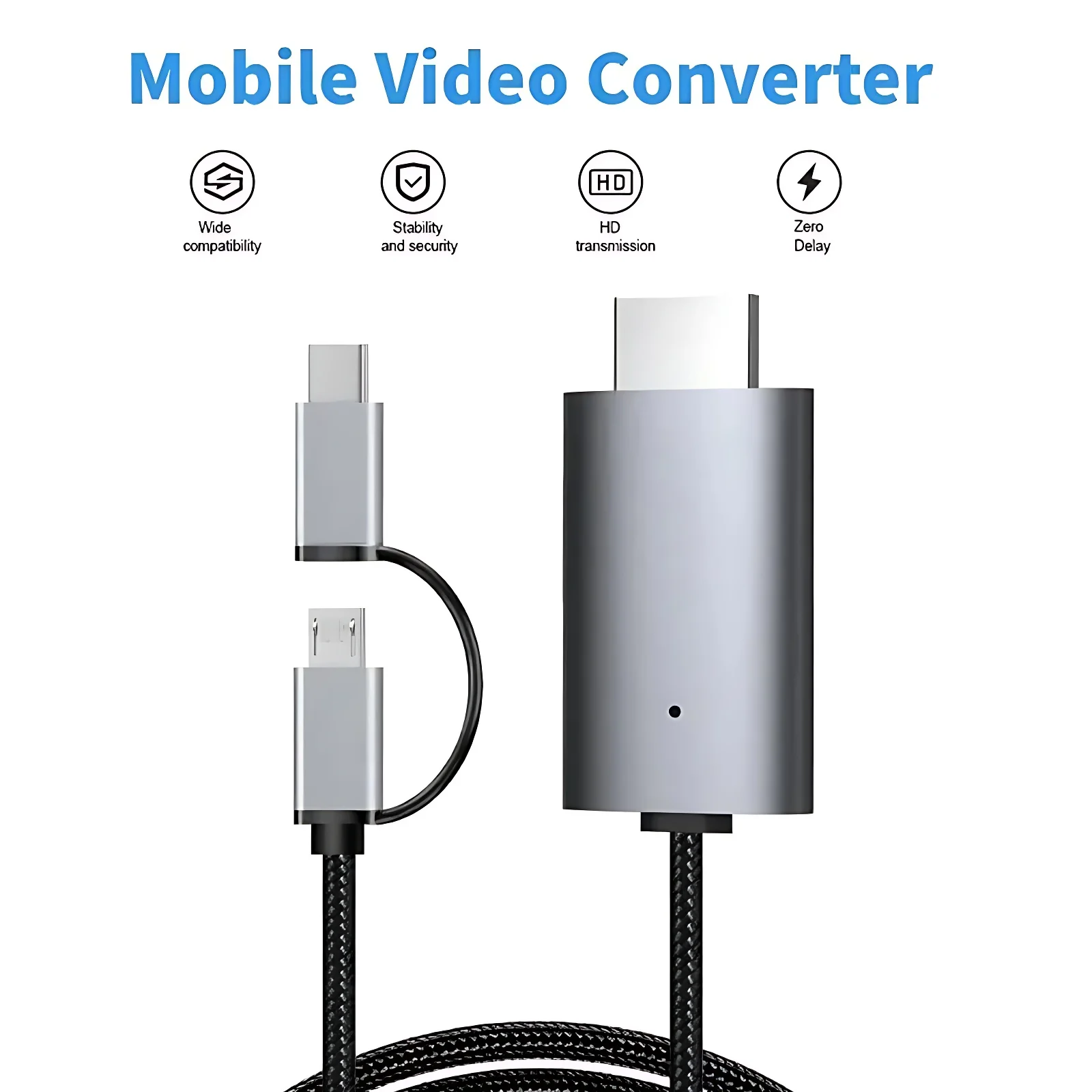
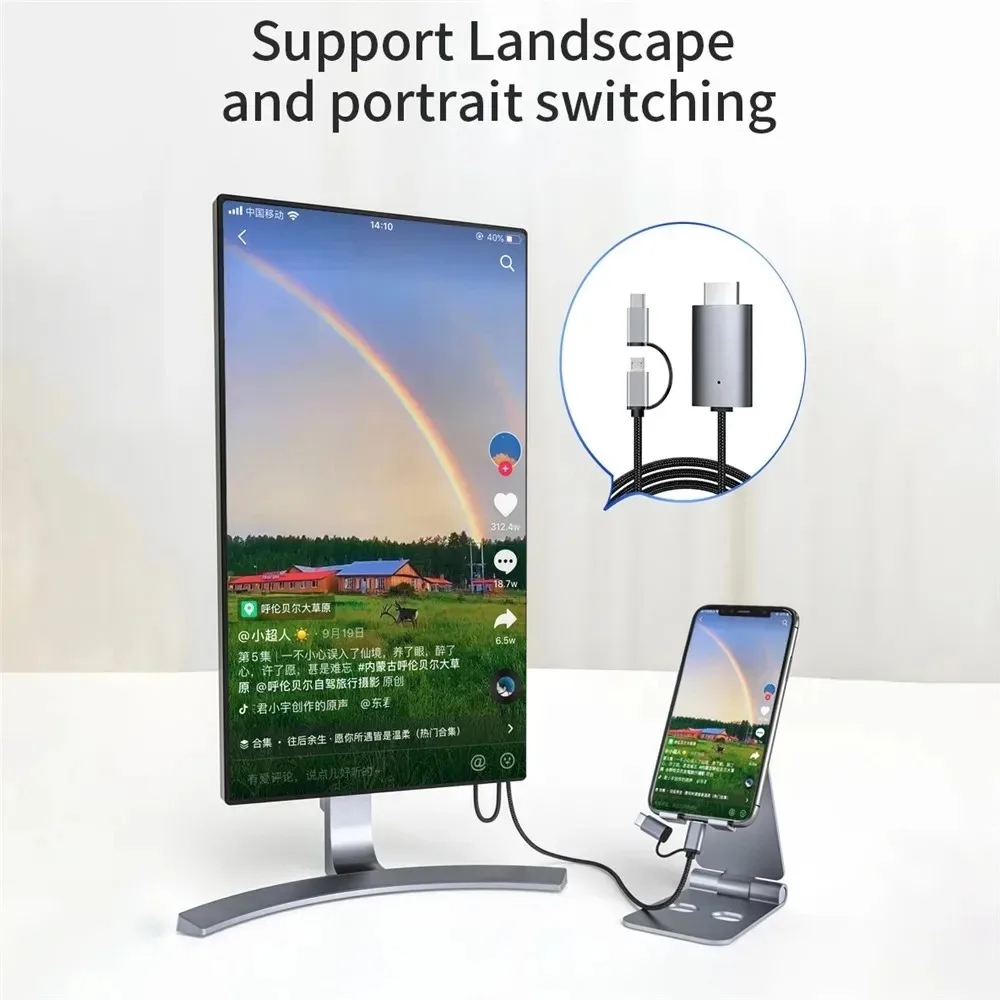
The LD39 Wire HD Streaming Display Dongle addresses these connectivity bottlenecks by offering a direct, physical cable setup. Equipped with dual mobile inputs—Micro USB and USB Type-C—it connects your mobile device directly to an HDMI port on your TV, monitor, or projector, delivering high-definition screen mirroring without relying on external Wi-Fi networks.
Who Is It For?
This device is ideal for users who need a straightforward screen mirroring solution for TVs or monitors that lack smart connectivity or native wireless receiver capabilities. It suits mobile presenters, students sharing project slides from tablets, and users who prefer the stability of a physical wired display connection over wireless streaming.
Key Features
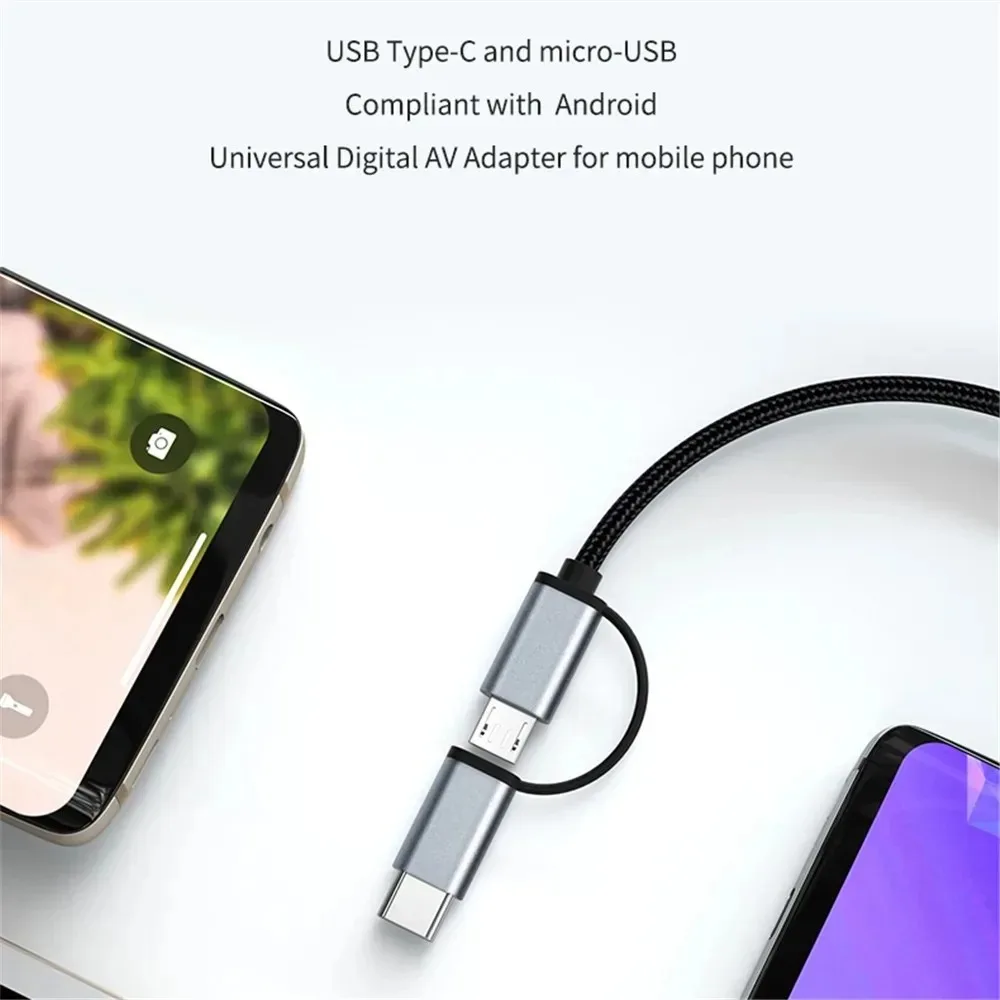
- Dual Mobile ConnectorsBroad compatibility with both legacy Micro USB and modern USB Type-C smartphones or tablets.
- Wired HDMI OutputDirect signal transmission to TV ports for consistent video connection without Wi-Fi dropouts.
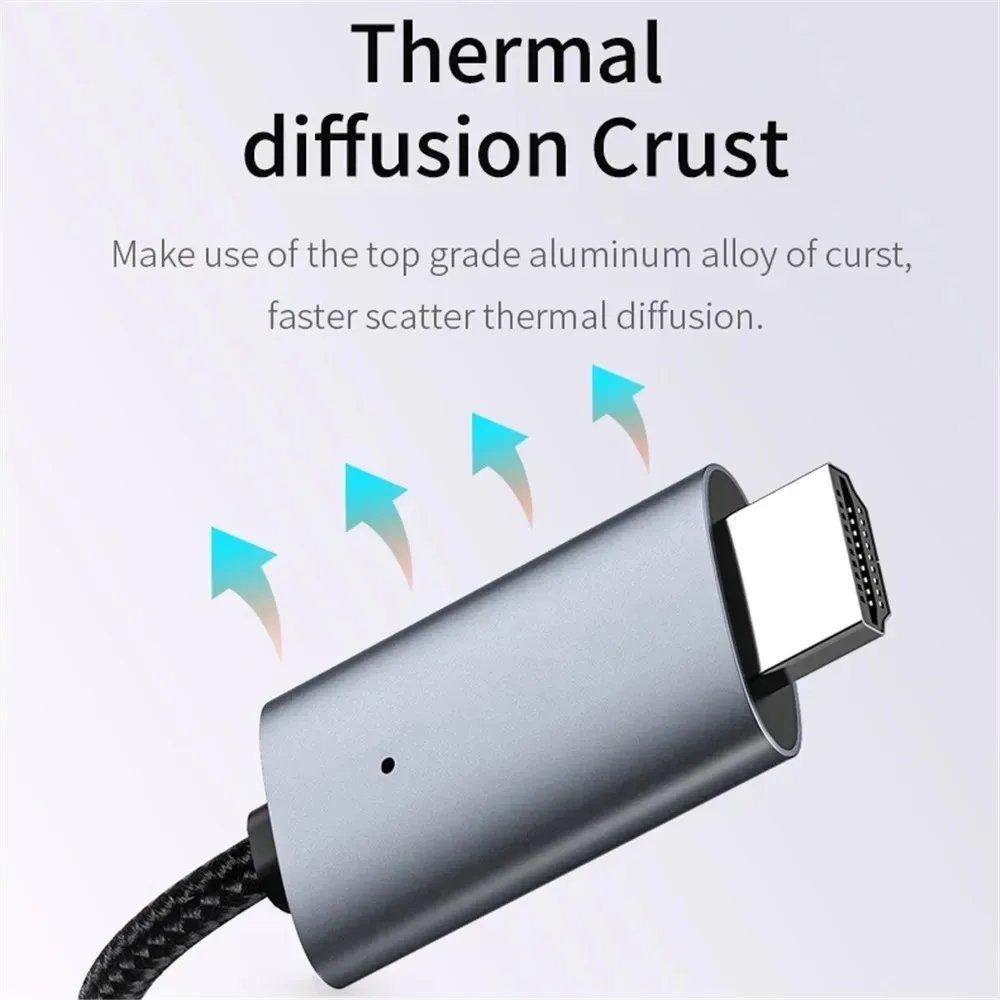
- Integrated Dongle DesignCompact hardware combining conversion chipsets directly into the cable structure.
- HD Video SupportMirrors screen content to high-definition monitors and televisions for larger viewing.
- Screen Mirroring FunctionalityReplicates your mobile device display in real time for viewing videos, documents, or photos.
Technical Specifications
| Model | LD39 |
| Input Connectors | USB Type-C, Micro USB |
| Output Connector | HDMI Compatible |
| Functionality | Wired Screen Mirroring / HD Streaming Display |
| Compatible Devices | Smartphones, Tablets |
| Display Output Support | HD Output to TV / Monitor / Projector |
| Cable Length | Not specified in available data |
| Power Supply Requirements | Not specified in available data |
Pros & Cons
Pros
- Supports two different USB interface standards (Type-C and Micro USB) in one adapter
- Physical cable connection bypasses local Wi-Fi latency and network pairing issues
- Simple direct path to convert small-screen displays onto large HDMI-compatible screens
Cons
- Wired connection restricts how far you can move your mobile device from the display during use
- Exact output resolution limits and refresh rates are not fully detailed in primary specs
- Specific app setup requirements may vary depending on the host mobile operating system version
FAQ
Yes, according to the official product specifications, the cable features both Micro USB and USB Type-C input connectors to support different mobile device interfaces.
Yes, as a wired streaming adapter, signal transmission occurs over the physical cable rather than depending on a wireless router or local Wi-Fi connection.
App requirements depend on your mobile device OS and hardware implementation; detailed software driver requisites are not explicitly stated in the base specifications, so checking your device settings for USB display configuration before purchase is recommended.
Power pass-through capabilities are not explicitly listed in the primary product technical details, so verifying power routing with your device model is advised.
Final Verdict
A practical choice for users needing a reliable physical connection to mirror Micro USB or Type-C phones to an HDMI display. Skip it if you require fully wireless operation or ultra-long range movement around the room.